Services
Herniated Disc Care
Non-surgical, disc-specific protocols that create space to heal.
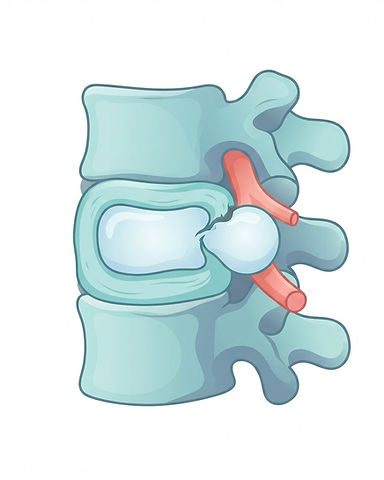
A herniated disc can cause some of the most intense pain a person can experience. When the soft center of a spinal disc pushes outward, it can press directly on a nerve, causing sharp, radiating pain, numbness, or weakness.
How Dr. Haverfield treats it
Gentle, precise, and always at your pace.
Dr. Haverfield uses non-surgical, disc-specific techniques like flexion-distraction and gentle decompression to create space for the disc to heal. These methods reduce the pressure on the nerve without forcing anything, giving your body the room it needs to recover.
Your first visit
What to expect.
Your first visit includes a careful conversation and examination. If you have an MRI, bring it. Dr. Haverfield will assess whether disc-specific care is right for you and explain the plan in plain terms before any treatment begins.
Common questions
Questions about herniated disc care?
Can you treat a herniated disc without surgery?
In many cases, yes. Non-surgical techniques like flexion-distraction create space for the disc to heal and reduce nerve pressure. Surgery is a last resort, and many patients improve with conservative care first.
Will it hurt?
No. Disc-specific techniques are gentle and designed to avoid aggravating the injury. Dr. Haverfield works within your comfort at every step.
Should I bring my MRI?
If you have one, yes. Imaging helps Dr. Haverfield understand exactly what's happening, but it's not required for your first visit.
Schedule a Visit.
New patients are always welcome. No referral needed.